Delivering performance where it matters most
OG Valves supplies a wide range of proven fluid control products for global industries. We offer valves that handle all service media and corrosive environments. By combining technical expertise with application knowledge, we deliver flow control valve solutions that guarantee safe operation whilst adhering to recognised industry standards.
- FPSO

FPSO
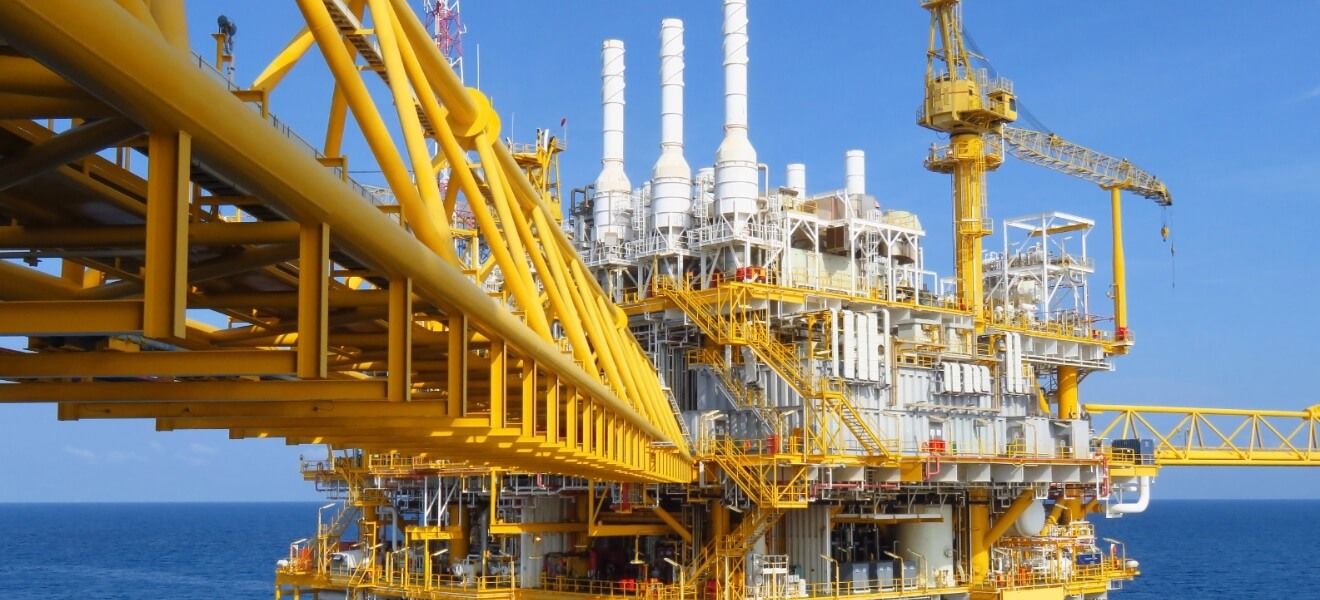
A Floating Production, Storage, and Offloading (FPSO) installation is a floating facility equipped with hydrocarbon processing equipment. It separates and treats crude oil, water, and gases that arrive on board via flexible pipelines from subsea oil wells.
- Offshore Platform
Offshore Platform
An offshore platform is a large structure with facilities for well drilling. Its purpose is to explore, extract, store, and process petroleum or natural gas, which lies in rock formations beneath the seabed.
- Refineries
Refineries
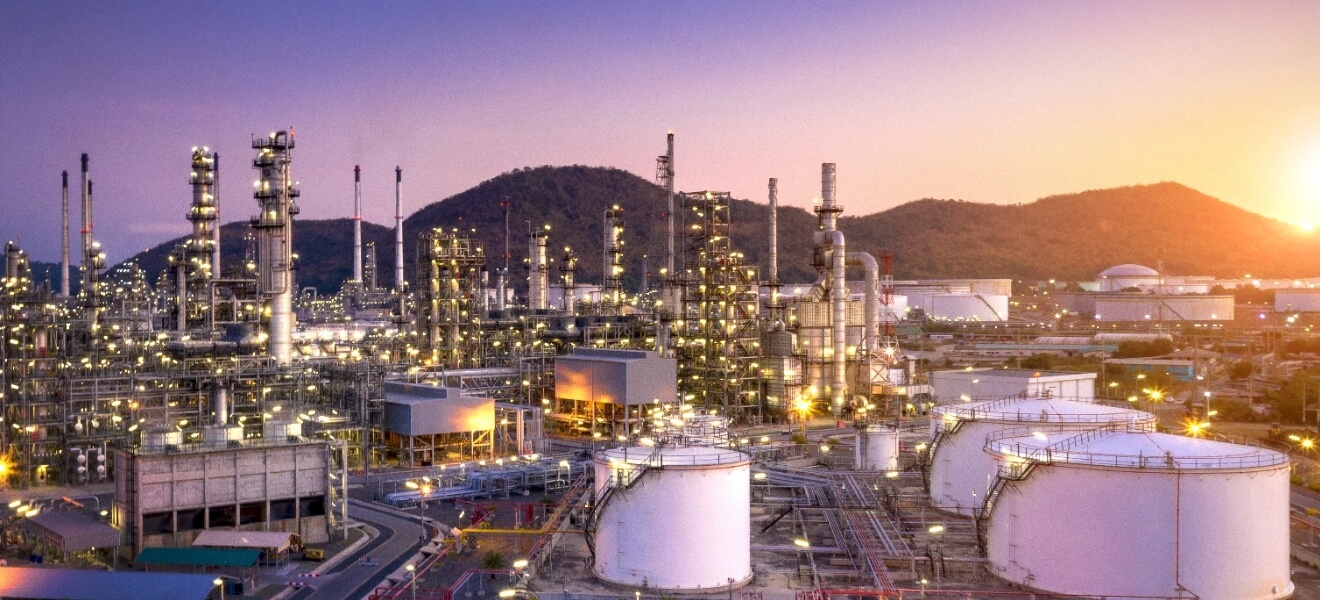
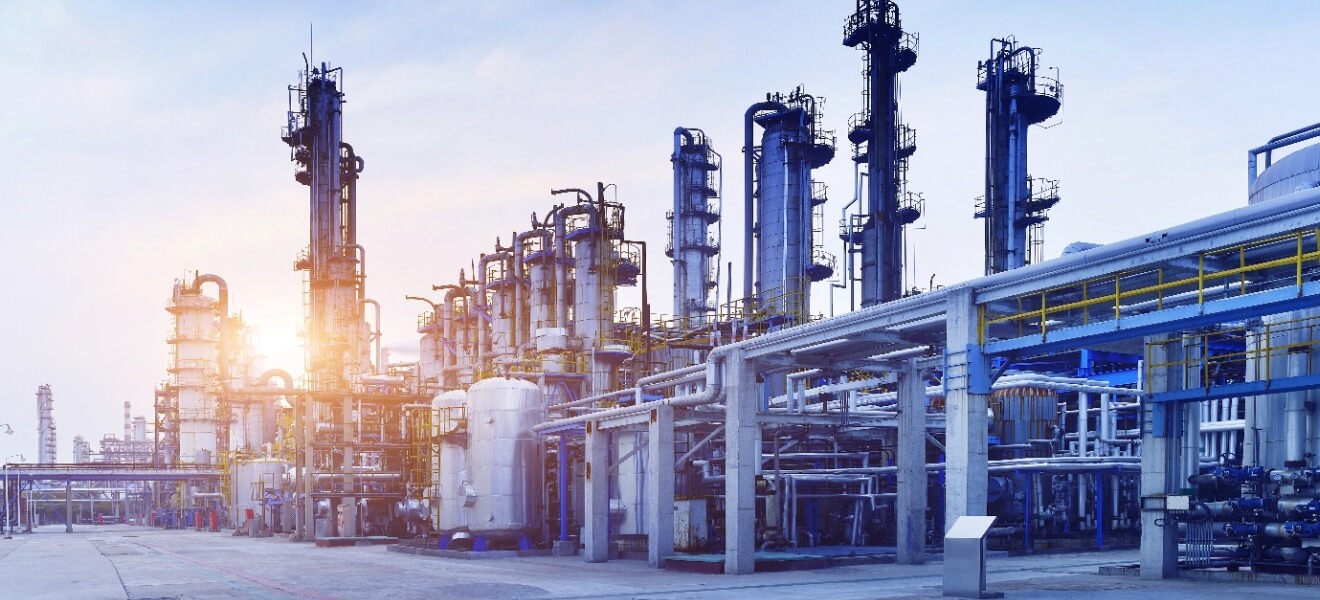
Petroleum refineries convert crude oil into petroleum products, which are used as fuels for transportation, heating, and electricity generation, as well as feedstocks for producing chemicals.
- Liquefied Natural Gas LNG Facilities
Liquefied Natural Gas LNG Facilities
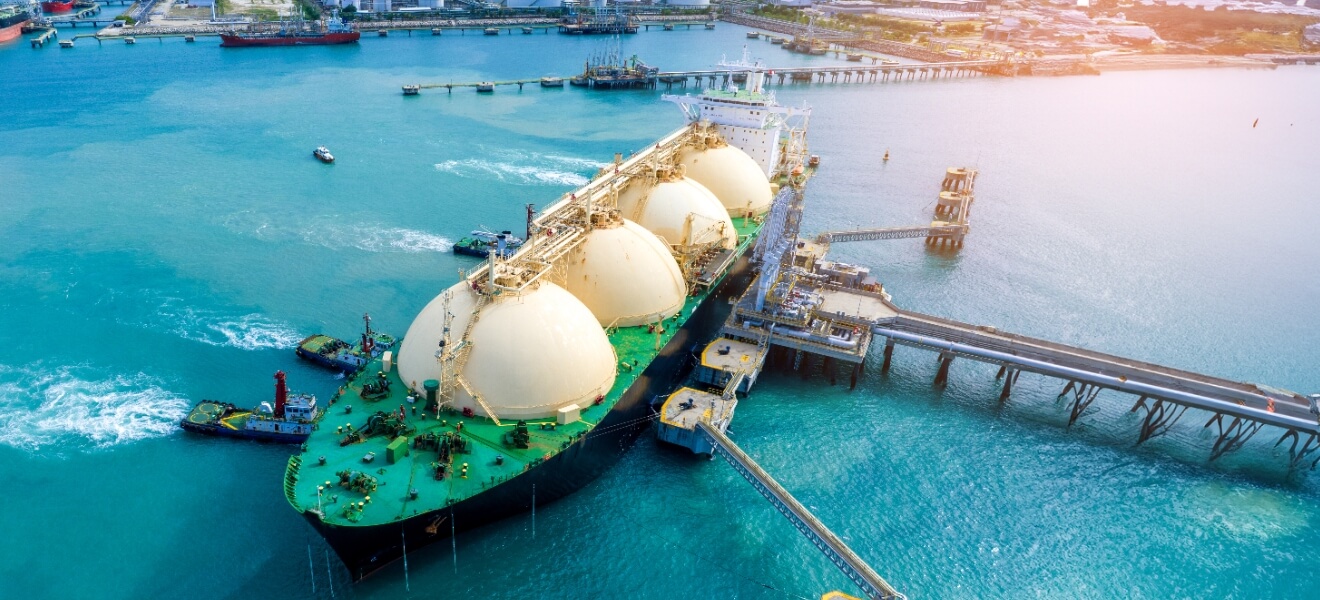
An LNG facility can either transform natural gas into LNG or, via regasification, convert LNG back to natural gas at atmospheric temperature. Liquefied natural gas requires careful control through the gasification process.
- Natural Gas Transmission Pipelines
Natural Gas Transmission Pipelines
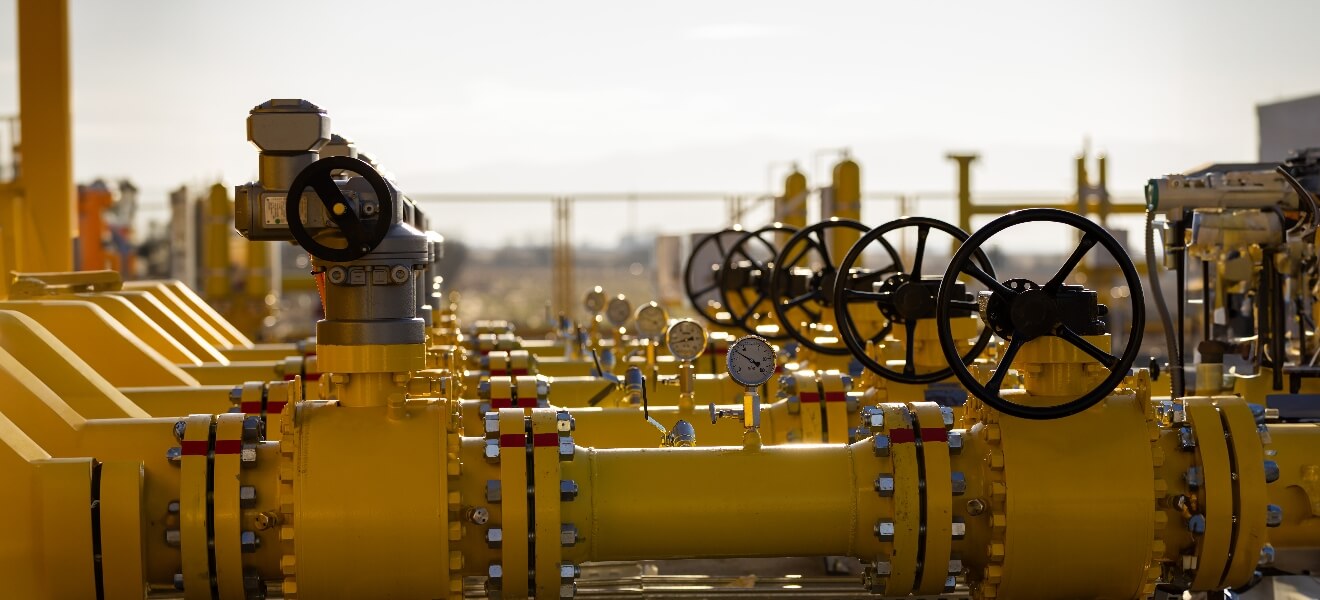
Gas transmission pipelines transport natural gas from gathering systems to processing, refining, and storage facilities.
- Petrochemical
Petrochemical
A petrochemical plant is a specialised industrial facility that manufactures chemical compounds known as petrochemicals. These chemicals are generated from petroleum or natural gas via a series of sophisticated methods that degrade hydrocarbons into simpler molecules. Petrochemicals are primarily produced by refining crude oil or processing natural gas to obtain valuable byproducts that are employed in various industries.
- Hydrogen
Hydrogen
Several industrial methods produce hydrogen gas. Nearly all of the world’s current hydrogen supply is created from fossil fuels. Most hydrogen is grey hydrogen made through steam methane reforming. When carbon capture and storage are used to remove a large fraction of these emissions, the product is known as blue hydrogen. Green hydrogen is usually understood to be produced from renewable electricity via water electrolysis.
- Storage Terminals
Storage Terminals
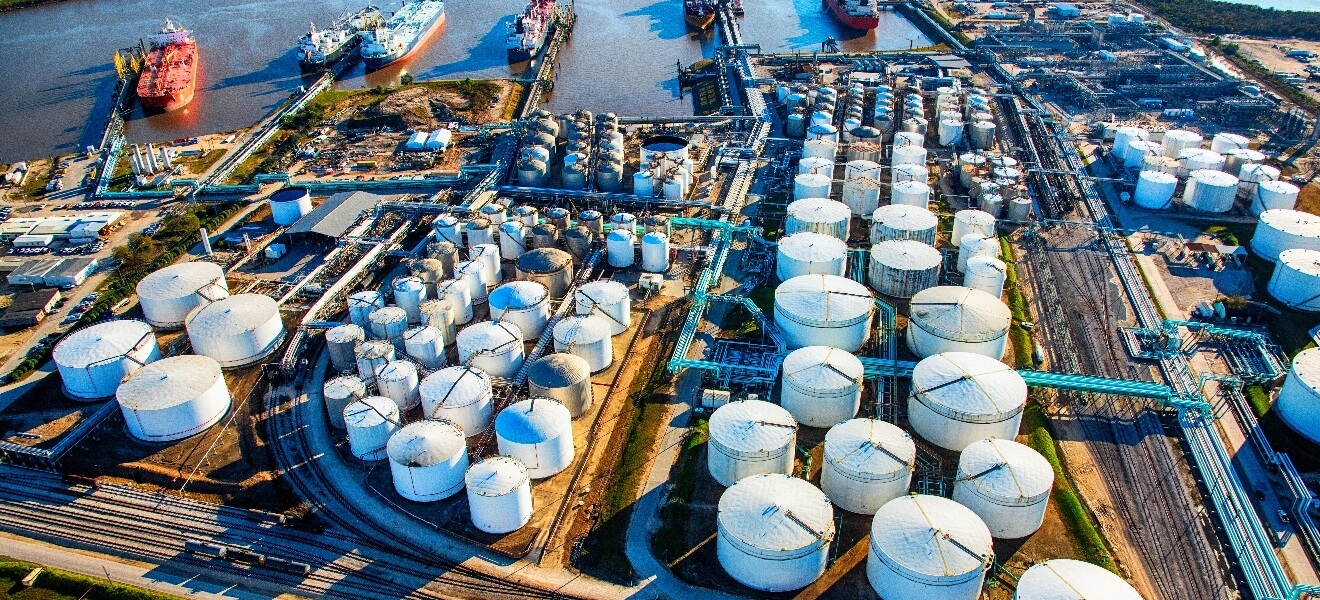
Storage terminals are depots for oil, other fuels, and petrochemical products. They are mostly found at ports and harbour facilities to handle incoming oil products, which can come from inland oil sources that transport fuels via pipelines or ships and oil tankers that berth at a port.
- Power
Power
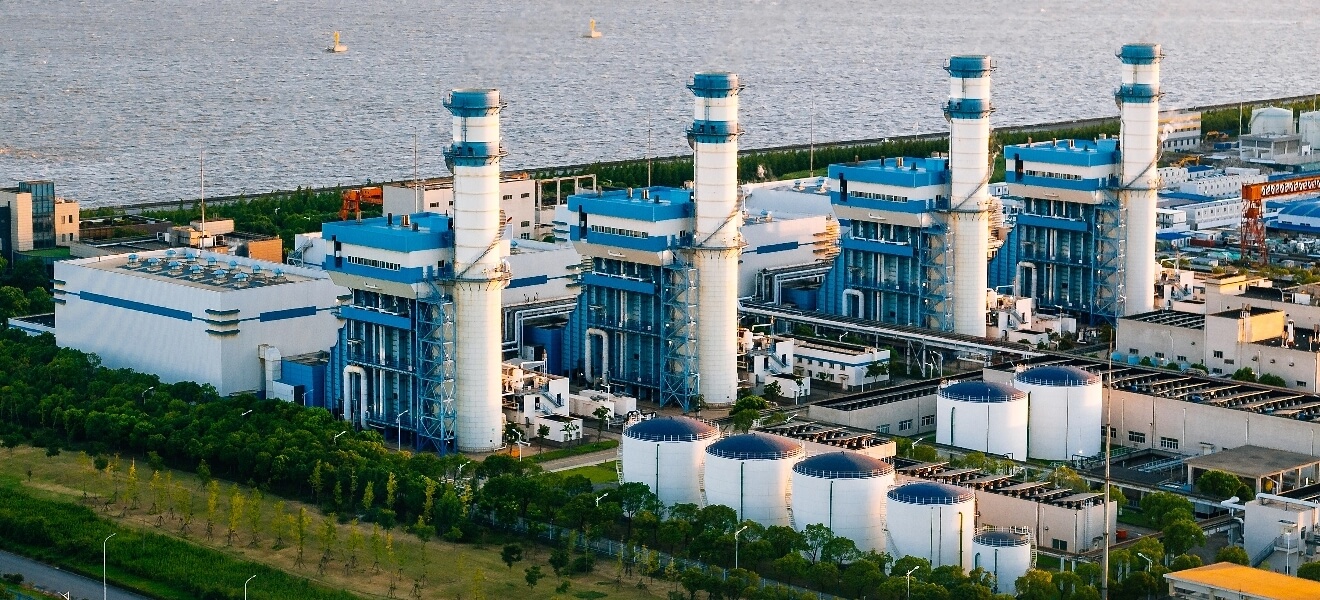
A power station is an industrial facility for generating electric power. It is generally connected to an electrical grid and contains one or more generators, a rotating machine that converts mechanical power into three-phase electric power.
- Pharmaceutical
Pharmaceutical
Pharmaceutical facilities are specialised settings for discovering, creating, producing, and storing pharmaceutical goods. These facilities are essential to the pharmaceutical sector because they ensure the creation of high-quality, safe, and effective pharmaceuticals.
- Mining
Mining
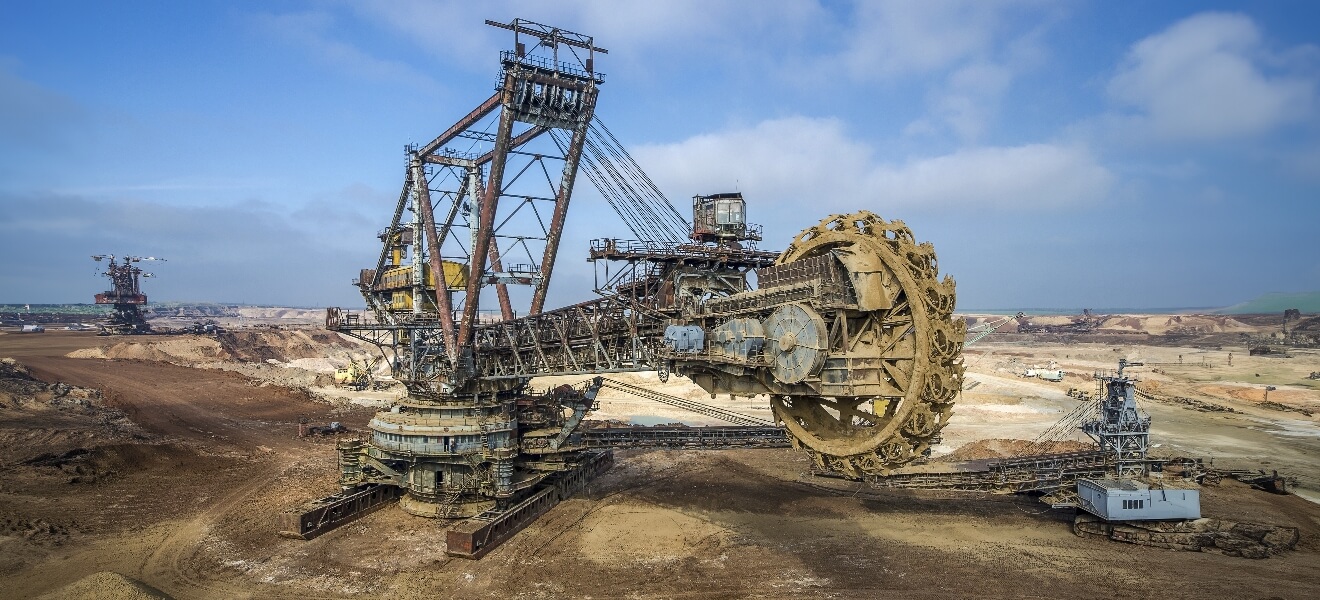
Mining is the process of extracting useful materials from the earth. Some examples of mined substances include bauxite, gold, lithium, iron ore, manganese, zinc, cobalt, uranium, copper, and nickel.
- Sea Water Reverse Osmosis Plants
Sea Water Reverse Osmosis Plants
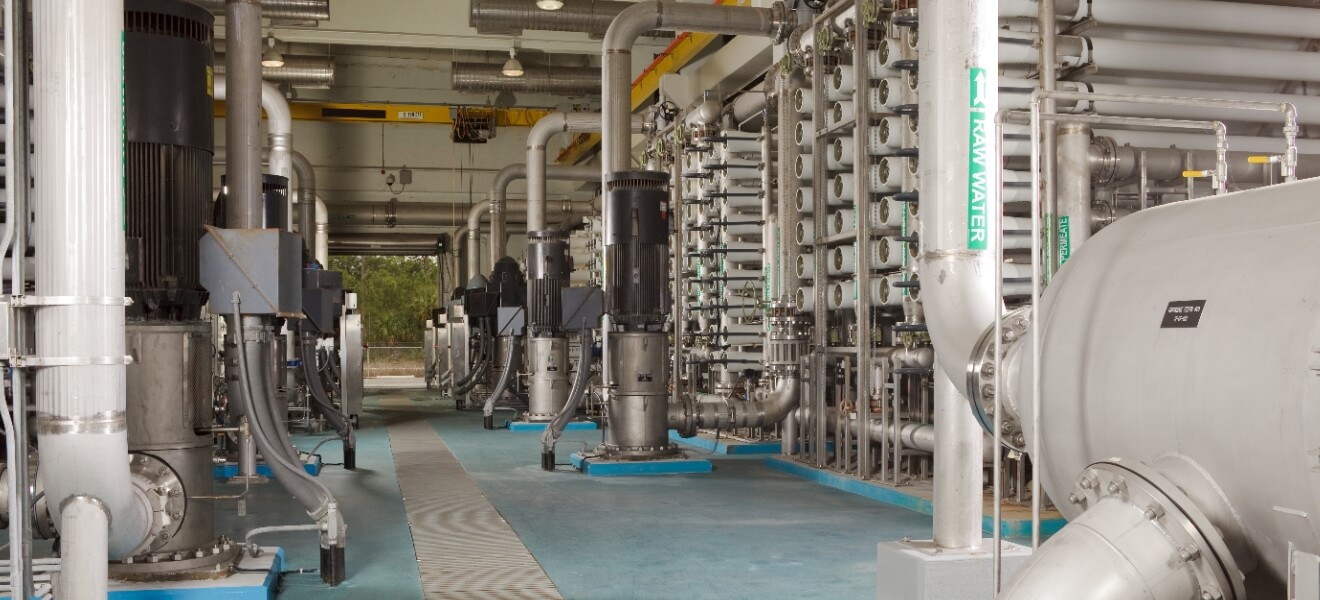
Seawater reverse osmosis (SWRO) selectively removes chloride from water by forcing it through a semi-permeable membrane at high pressure. SWRO plants require significant quantities of electricity to drive the high- and low-pressure pumps and energy costs are a major factor in their development.
- Pulp Paper
Pulp Paper
A paper mill is a factory or plant where various pulps in the slurry form are mechanically treated, mixed with the proper dyes, additives, and chemicals, and converted into paper by drainage, formation, and drying on a paper machine. A Pulp mill processes pulpwood, wood chips, or other cellulosic material into pulp using mechanical, cooking, screening, and bleaching methods.